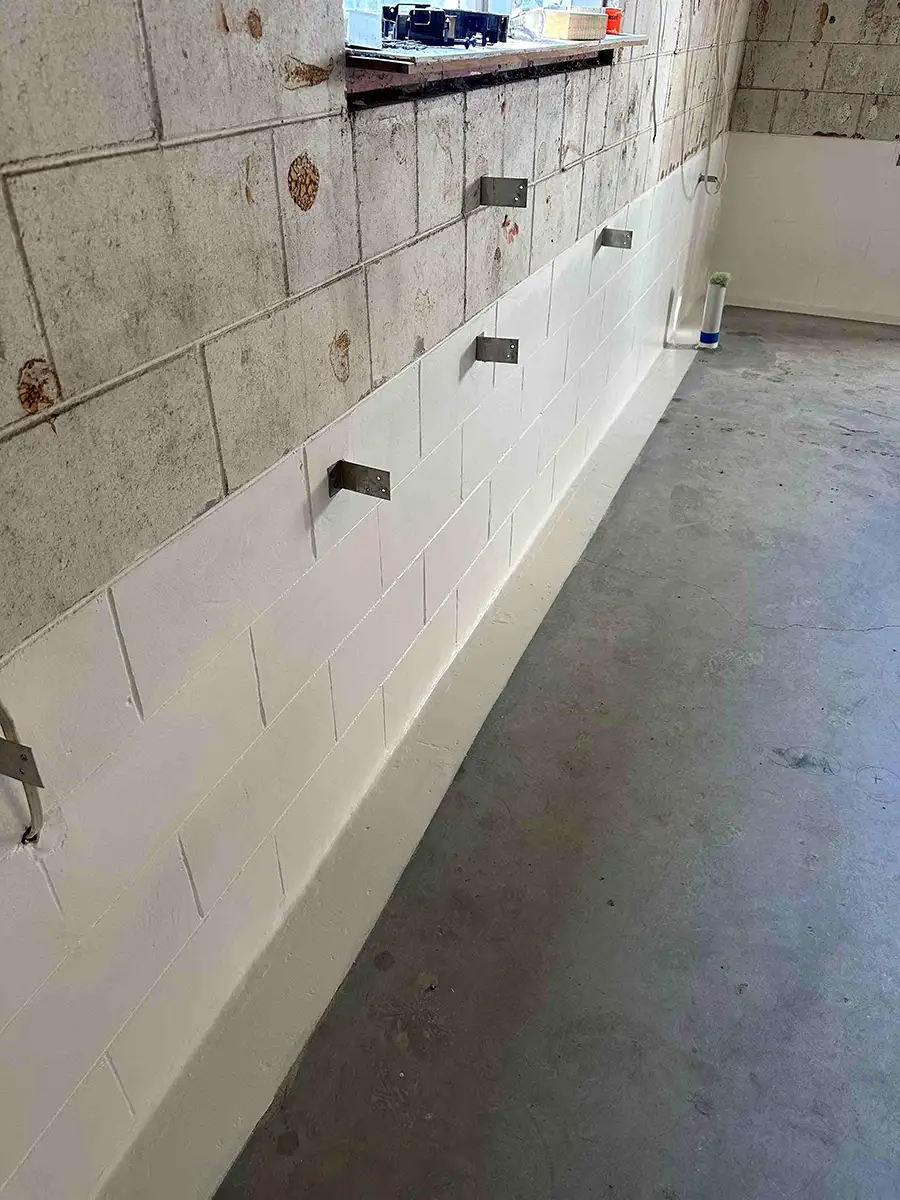
A damp basement is one of those problems that tends to get ignored until it becomes impossible to ignore. A musty smell, patches of mould creeping up the wall, or water pooling on the floor after heavy rain are all signs that moisture is getting in. Left untreated, basement dampness can compromise your building’s structure, affect air quality throughout the home, and turn a potentially useful space into a write-off. Basement waterproofing is the most reliable way to address the problem – and in many cases it doesn’t require excavating around your foundations to get results.
Why Basements Get Damp
Basements sit below ground level, which means they’re surrounded by soil that holds moisture year-round. When that moisture builds up – whether from rainfall, groundwater, or a high water table – it creates pressure against the foundation walls. This is known as hydrostatic pressure, and it’s the main reason water finds its way in even through walls that look solid from the inside.
Concrete block construction, which is common in older New Zealand homes, is particularly prone to this. The blocks themselves are porous, and over time water finds its way through joints, cracks, and the surface of the blocks. In parts of New Zealand where rainfall is high or the soil retains water, the pressure on basement walls can be significant even after relatively short periods of wet weather.
Condensation is another factor that often gets overlooked. Warm, humid air hitting cooler basement surfaces creates moisture on the wall face that has nothing to do with what’s happening outside. In practice, both issues can exist at the same time, which is why proper diagnosis matters before you settle on a treatment approach. Treating one without understanding the other often means the problem comes back.
What Happens If You Leave It
Moisture in a basement doesn’t tend to stay contained. Over time, persistent dampness causes a range of problems that go well beyond a wet floor.
Mould is usually the first visible sign, and it spreads quickly in a damp, poorly ventilated space. Once mould takes hold it affects the air quality throughout the home, not just in the basement itself. For people with respiratory conditions or allergies, this can become a genuine health concern.
Structurally, ongoing moisture causes concrete to deteriorate, corrodes any embedded steel reinforcing, and can lead to mortar joints breaking down in block walls. Timber framing or flooring near or above a damp basement is also at risk, particularly from rot and fungal decay. What starts as a manageable damp patch can, over a number of years, become a structural remediation job that costs many times what waterproofing would have.
There is also the straightforward issue of lost space. A basement that can’t be used because it’s wet, cold, and mouldy represents wasted potential in a property – whether that’s storage, a utility room, a workshop, or additional living space.
Internal Basement Waterproofing: The No-Excavation Option
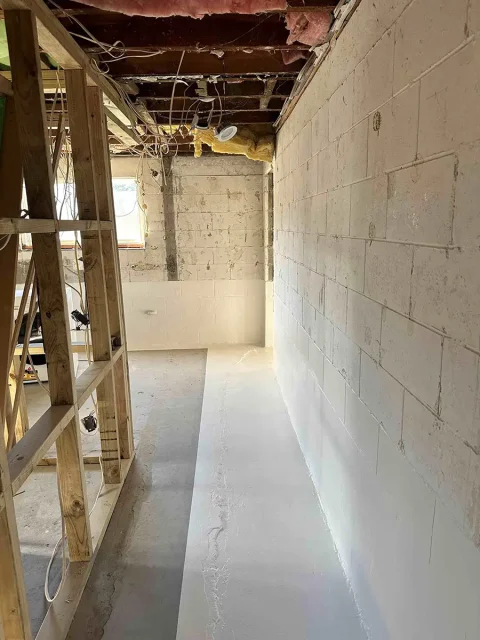
Traditionally, solving basement water ingress meant digging down around the outside of the foundation, applying a membrane, and then backfilling. It works, but it’s disruptive, expensive, and not always practical – especially where there are driveways, gardens, fences, or neighbouring properties close to the building line.
Internal waterproofing – commonly known as tanking – is the alternative. Rather than working from the outside, specialised materials are applied directly to the interior surfaces of the basement walls and floor, effectively sealing the space from within. This approach is also referred to as negative side waterproofing, and the products used are designed to block moisture from seeping through, resist the hydrostatic pressure being exerted from the surrounding soil, and form a durable protective barrier on the inside face.
What the Process Involves
Before any product goes on the wall, the condition of the basement needs to be properly assessed. That means identifying where water is actually entering, checking for any structural issues, and preparing the surfaces so the waterproofing material bonds correctly. This preparation stage is where a lot of the real work happens – a poorly prepped surface is one of the most common reasons waterproofing treatments fail prematurely.
Once surfaces are ready, the waterproofing system is applied to the interior walls and floor. The products used in a professional system are engineered to handle ongoing moisture pressure from the outside, rather than simply coating the surface. This is what sets proper basement waterproofing apart from the paint-on damp treatments available at hardware stores, which sit on the surface and tend to fail once pressure builds behind them.
Depending on the severity of the problem, a sump pump or improved drainage system may also be part of the solution – particularly where groundwater accumulation is significant.
When Internal Waterproofing Makes Sense
This approach suits a wide range of situations and is often the most practical option available. It works particularly well when:
- External excavation isn’t feasible due to fencing, landscaping, or neighbouring structures
- The disruption and cost of digging would be disproportionate to the scale of the problem
- The basement shows signs of persistent dampness, moisture seepage, or minor leaks
- The goal is a reliable, long-lasting fix without altering the exterior of the property
For many New Zealand homeowners dealing with older concrete block foundations, internal waterproofing is not just the easier option – it’s often the most appropriate one given the construction type.
Getting the Right Advice
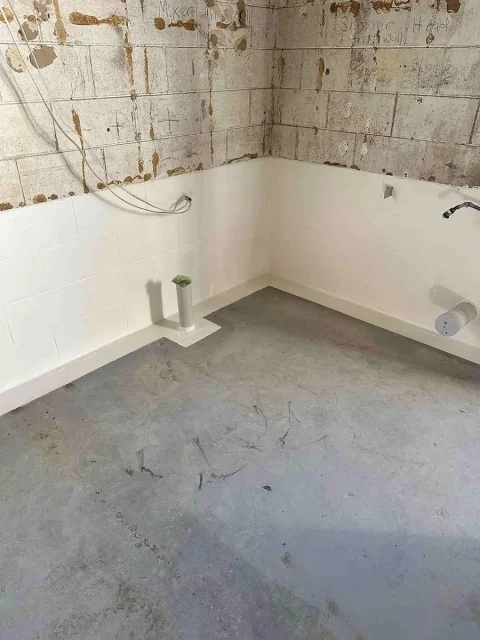
Basement waterproofing isn’t a straightforward DIY job. The products and application methods matter, and a wrong call at the diagnosis stage can mean money spent on the wrong solution. A waterproofing specialist will assess your specific situation – the construction type, the source of moisture, and the condition of the existing structure – and recommend the right approach rather than a one-size-fits-all treatment.
Sorting out a damp basement properly protects the structure, improves the liveability of your home, and adds real value to the property. The longer it’s left, the more it typically costs to fix.
⚡ TL;DR: Basement Waterproofing in New Zealand Homes
- Hydrostatic pressure is the main culprit. Moisture in surrounding soil pushes against basement walls constantly, and concrete block foundations are especially vulnerable.
- Condensation can make things worse. Damp from inside the home adds to moisture from outside – both need to be understood before treatment starts.
- Left untreated, the costs grow fast. Mould, structural deterioration, and lost usable space are the predictable outcomes of ignoring a damp basement.
- Internal waterproofing avoids excavation. Tanking, also known as negative side waterproofing, is applied from inside, making it practical where digging isn’t an option.
- Surface preparation is critical. Professional application and proper prep work is what separates a long-lasting result from one that fails within a few years.
The Bottom Line: A damp basement won’t fix itself. Internal waterproofing is a practical, proven solution that protects your home from the inside – without the disruption and cost of digging up the exterior.

Author: energise
Director of Energise Web Design Ltd.